
Introduction
Most of us learned CBT by memorizing models, reading manuals, and watching vignettes. Then a real client sat down, dropped a complicated problem on the table, and the mind went blank. The theory was there, but session-ready CBT tools were harder to call up in the moment. That gap is why we put together The 2026 CBT Toolkit for Therapists: 15 Essential Session-Ready Tools.
Week after week, we watch colleagues scroll through half-finished worksheets, random PDFs, and app recommendations, wondering what is safe, evidence-based, and workable with actual clients. The problem is not a lack of knowledge. It is a lack of organized, reliable tools that map cleanly onto real sessions and can be used under pressure.
This guide walks through fifteen tools we reach for most often, grouped into:
- Foundational worksheets (thought records, distortions, behavioral activation)
- Specialized interventions (core beliefs, ERP, exposure hierarchies)
- Digital resources (apps, VR, portals)
- Practice systems (documentation, outcome tracking, ethics)
Along the way, we show how BehaviourGuide functions as a practical partner when theory is not enough. The goal is for The 2026 CBT Toolkit for Therapists: 15 Essential Session-Ready Tools to describe what sits on your desk and inside your software each week.
“Cognitive therapy is based on the idea that how we think determines how we feel and what we do.” — Aaron T. Beck
Key Takeaways
- Clear structure: We sort CBT tools into worksheets, specialized protocols, digital resources, and practice management, so it is easier to match tools to specific client needs and keep sessions focused.
- Ethical tech use: We outline how to bring in CBT apps, VR exposure, and portals in ways that respect privacy, scope of practice, and clear consent.
- Documentation as a clinical tool: Standardized notes, treatment plans, and outcome measures can sharpen thinking, risk management, and collaboration rather than feeling like busywork.
- Help at stuck points: We highlight common trouble spots—exposure homework, core belief work, ERP—and show how specific tools move therapy forward.
- BehaviourGuide’s role: Scripts, templates, and video courses from BehaviourGuide help bridge the space between textbooks and live sessions, especially for therapists still building CBT skill and confidence.
Tool #1 Thought Records and Cognitive Restructuring Worksheets

Thought records turn the idea that thoughts drive feelings and behavior into a shared task. Clients learn to:
- Capture the situation and automatic thoughts
- Rate emotions and body cues
- Spot cognitive distortions
- Weigh evidence for and against
- Draft a more balanced alternative thought
In early sessions, we complete a record together, using the client’s own words and slowing down to catch the exact thought that sparked the emotional spike. Later, we assign brief homework (even one entry) to build skill between sessions. Digital thought records, whether in a client portal or app, make it easier for clients to log entries in real time and let us review time-stamped examples together.
Tool #2 Cognitive Distortions Identification Handouts
Cognitive distortion handouts give clients a shared language for patterns they already live with: all-or-nothing thinking, catastrophizing, mind reading, emotional reasoning, should statements, personalization, and more.
A simple process works well:
- Normalize shortcuts in thinking, especially under stress
- Briefly define each distortion with a few everyday examples
- Invite clients to spot distortions in their own thought records
- Use a “distortion detective” frame to reduce shame and increase curiosity
Naming distortions often shifts the story from “I am broken” to “my mind uses certain habits when I’m under pressure.” Marking distortions directly onto thought records strengthens self-monitoring and prepares clients for deeper cognitive restructuring.
Tool #3 Behavioral Activation and Activity Scheduling Planners

Behavioral activation rests on one clear premise: action often comes before motivation. When depression or withdrawal sets in, waiting to “feel like it” tends to keep people stuck. Activity scheduling planners give clients a way to test the opposite pattern, one small step at a time.
Helpful planners usually include:
- Planned activity, time, and place
- Predicted mood rating
- Actual mood and sense of accomplishment afterward
We emphasize values-based activities over vague “fun” tasks—a five-minute walk, answering one avoided email, texting a friend. Missed items are treated as data about beliefs or barriers, not failure. Over time, the completed planner becomes visual evidence that behavior can shift mood, which reinforces cognitive change.
Tool #4 Coping Skills and Emotional Regulation Exercise Libraries
Many clients first need in-the-moment coping skills before they can do deeper cognitive work. A well-organized skills library makes it easy to match strategies to current needs.
We often group skills by function:
- Physiological calming: diaphragmatic or paced breathing, progressive muscle relaxation
- Grounding and orientation: 5-4-3-2-1 sensory scan, naming facts about the present moment
- Self-compassion and validation: brief scripts clients can read or repeat when shame or grief spikes
In session, we model each skill, practice together, and troubleshoot obstacles (“I get dizzy when I breathe slowly”). Then we ask clients to rehearse skills while calm, using coping cards, screenshots, or a short note on their phone they can open quickly when overwhelmed.
Tool #5 Exposure Hierarchies and Fear Ladders for Anxiety Disorders
For many anxiety disorders, phobias, and OCD, exposure is the main engine of change. Exposure hierarchies (or fear ladders) make the work concrete.
Together with the client, we:
- List feared situations
- Rate each with Subjective Units of Distress (SUDs) from 0–100
- Order them from “easier” (20–30) to hardest (80–100)
Then we explain, in plain language, how avoidance keeps anxiety high by preventing disconfirmation and coping learning. Graduated exposure flips that pattern by deliberately entering feared situations and staying until anxiety drops on its own. We watch for safety behaviors (distraction, reassurance, mental rituals) and work together to reduce them. Between sessions, homework comes straight from the hierarchy. When real-world exposure is difficult, VR settings (see Tool #10) can offer realistic, controlled practice.
“The only way out of anxiety is through it—approaching rather than avoiding what we fear.” — Common CBT exposure principle
Tool #6 Core Beliefs Identification and Modification Worksheets
Automatic thoughts sit at the surface; core beliefs run deeper: “I am unlovable,” “People will always hurt me,” “The world is unsafe.” When the same themes repeat in thought records, core belief work becomes important.
A typical sequence:
- Use the downward arrow technique (“If that were true, what would it mean about you or others?”) to uncover global beliefs
- Map the origins of the belief, including how it once protected the client
- Explore current costs of holding the belief
- Draft a more balanced replacement belief
- Use a positive data log to track real-life experiences that support the new view
Core belief work usually appears in the middle or later phases of treatment, when clients have some experience with cognitive restructuring and the stability to revisit earlier life stories.
Tool #7 Exposure and Response Prevention ERP Logs for OCD
For OCD, Exposure and Response Prevention (ERP) is the gold standard CBT approach, and ERP logs are its backbone. We frame ERP as approaching an obsessional trigger while deliberately not performing the usual ritual or mental compulsion.
Effective ERP logs track:
- Trigger or obsession
- Planned response prevention
- Predicted and actual anxiety (before, during, after)
- Duration of exposure and any subtle rituals that slipped in
Seeing anxiety rise, then fall, without rituals shows clients that distress can fade on its own. We start with lower-intensity items and coach closely, then move toward more challenging exposures as confidence grows, always using the log to guide pacing and clinical decisions.
Tool #8 Self-Guided CBT Apps for Skill Reinforcement Between Sessions
By 2026, self-guided CBT apps are woven into many treatment plans, especially for mild to moderate symptoms. They support practice; they do not replace therapy. For structured, therapist-guided work, BehaviourGuide provides scripts, homework ideas, and templates that fit directly into sessions. Alongside that, clients often benefit from self-guided apps such as MindShift CBT, What’s Up, and Youper.
When we evaluate an app, we look for:
- Quick mood tracking tied to situations and thoughts
- Interactive exercises that mirror core CBT tools (thought records, behavioral activation, graded exposure)
- Gentle reminders so practice does not fade after a few days
- Clear, readable privacy policies and security standards
We frame apps as practice supports that work best when we review logs together, link entries to treatment goals, and correct any misunderstandings about CBT concepts.
Tool #9 Specialized Apps for Condition-Specific Interventions
Some apps follow a single protocol closely, which can be helpful when we want structure around one target problem. BehaviourGuide offers printable and portal-ready worksheets aligned with CBT protocols; when we need a client-facing app, condition-specific tools can add daily structure.
Examples include:
- CBT-I Coach for insomnia (developed by the U.S. Department of Veterans Affairs with academic partners): sleep diaries, psychoeducation, and relaxation tracks that pair well with CBT for Insomnia
- MindDoc for mood and anxiety: frequent check-ins and trend graphs that appeal to data-oriented clients
- MoodTools for depression: thought diary, activity planner, PHQ-9 tracking, and safety plan sections
Because these apps often collect symptom and risk data, we introduce them thoughtfully, agree on how often clients will use them, and decide what to share in session—especially when scores suggest safety concerns.
Tool #10 Virtual Reality VR Platforms for Immersive Exposure Therapy

Virtual reality exposure therapy lets clients face feared situations while sitting in your office. Headsets display computer-generated settings—airplanes, crowded parties, combat zones, high places—and we guide graded exposures just as we would with an in-person hierarchy.
Platforms such as PsyTechVR give therapists control over:
- The environment (e.g., type of plane, crowd size)
- Intensity levels
- Real-time monitoring of reactions, sometimes including heart rate or breathing
VR can be especially helpful for fears that are hard to recreate regularly, like flying or specific public settings. We still need to plan for hardware costs, our own learning curve, and client comfort with immersive technology, and we keep VR anchored within a full CBT protocol that includes psychoeducation, hierarchy building, and post-exposure processing.
Tool #11 BehaviourGuide's Session-Ready Scripts, Templates, and Video Courses
BehaviourGuide grew from one question many of us ask after training: “What do I actually say and do in the room on Monday morning?” Where many resources stop at theory, BehaviourGuide focuses on step-by-step, session-ready tools therapists can use right away.
Key elements include:
- Video courses that show CBT techniques in context with real examples and therapist commentary
- Session-ready scripts for explaining the CBT model, introducing thought records, setting up exposure homework, and starting core belief work
- Practical templates for worksheets, intervention maps, and documentation that align with CBT structure
Resources are organized by presentation—panic, social anxiety, GAD, health anxiety, depression, OCD, PTSD—so therapists can quickly find tools that match stuck points (avoiding homework, doubting exposure, freezing when asked about beliefs). BehaviourGuide rests on established CBT research while staying simple enough to use with a full caseload and limited prep time.
Tool #12 Practice Management Software with Client Portals and Homework Integration
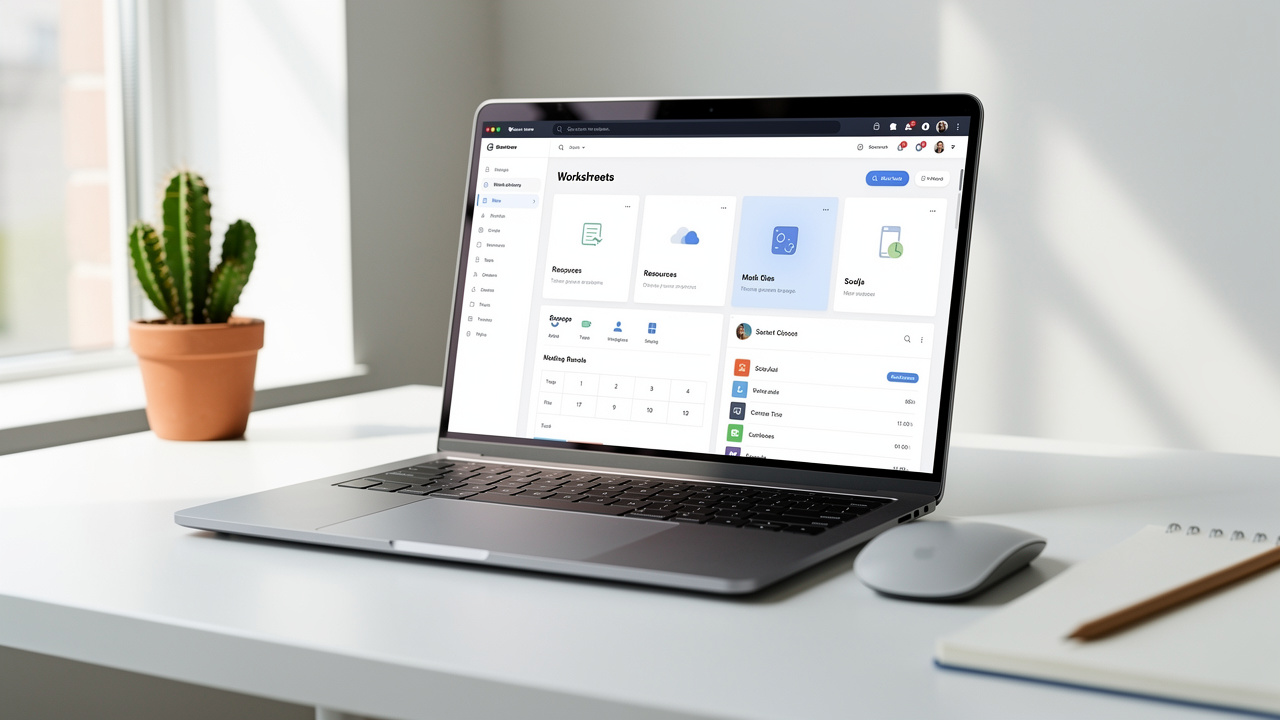
For CBT therapists, practice management software can double as a clinical tool when it includes strong client portals and homework features. Beyond scheduling, reminders, secure messaging, and billing, we look for systems that support CBT structure.
Helpful features include:
- Client portals where we can assign digital worksheets (thought records, behavioral activation planners, exposure logs)
- Secure submission so we can review homework before sessions and start with a clear focus
- Documentation tools with CBT-friendly note templates, treatment plan builders that link goals with specific interventions, and outcome measure tracking (PHQ-9, GAD-7, etc.)
BehaviourGuide templates and scripts can often be uploaded or referenced alongside these systems, so the flow from session to homework to documentation stays consistent.
Tool #13 Standardized Documentation Templates SOAP, DAP, Treatment Plans
Good documentation protects us and sharpens our thinking. Standardized templates make it easier to write clear notes that mirror CBT structure and support continuity of care.
Two common formats:
- SOAP notes
- Subjective: client’s report of symptoms, events, thoughts
- Objective: observations, measures, and behavioral data
- Assessment: clinical interpretation connected to case formulation
- Plan: next steps and homework (e.g., “Client will complete one thought record on work-related anxiety”)
- DAP notes
- Data, Assessment, Plan in a slightly simpler structure
Whatever format we choose, notes should connect directly to the treatment plan. If exposure for social anxiety is in the plan, it should appear regularly in Assessment and Plan sections. BehaviourGuide and resources such as Twofold Health can provide starting templates, which we then adapt to local regulations and personal style.
Tool #14 Outcome Tracking Tools and Standardized Assessment Measures
Systematic outcome tracking adds an objective layer to our clinical impressions.
A small set of well-validated measures covers many needs:
- PHQ-9 for depressive symptoms
- GAD-7 for generalized anxiety
- PCL-5 for posttraumatic stress
- Y-BOCS for OCD severity
We usually administer these at intake, then again every few sessions. Graphing scores over time helps clients see progress (or plateau), which can boost motivation or prompt a rethink of the formulation or strategy. Many practice systems and apps now automate scoring and charting, reducing errors and freeing us to focus on interpretation.
Tool #15 Professional Ethics and Resource Libraries APA, NASW, SAMHSA, NAMI
A reliable CBT toolkit sits inside a clear ethical frame. When cases become complicated, we lean on trusted organizations:
- American Psychological Association (APA): ethical codes, practice guidelines, and risk management materials
- National Association of Social Workers (NASW): standards and tools specific to social work roles
- SAMHSA: extensive reports, treatment manuals, and client education materials for mental health and substance use
- NAMI: accessible resources for clients and families, plus information on support groups and advocacy
When we add digital tools—apps, portals, VR—these organizations help us think through privacy, consent, boundaries, and record keeping. Staying current with their guidance keeps CBT practice clinically sound and ethically steady.
Conclusion
Effective CBT depends on more than insight. It depends on having the right session-ready tools at hand when a client walks in anxious, numb, or stuck. The fifteen elements in The 2026 CBT Toolkit for Therapists: 15 Essential Session-Ready Tools cover the range most clinicians need: worksheets, exposure hierarchies, ERP logs, apps, VR, documentation systems, outcome measures, and ethical reference points.
Tools help only when we know when and how to use them. That means choosing carefully based on diagnosis, readiness, and context, then adapting language and examples for each client. BehaviourGuide aims to stand beside therapists in that work with scripts, templates, and courses that turn abstract models into concrete moves in real sessions. As a practical next step, briefly audit your current CBT toolkit: notice what works well, where you scramble, and which of these fifteen tools would fill the biggest gaps. Small upgrades this year can translate into steadier sessions, clearer plans, and more relief for the people sitting across from you.
FAQs
Question 1 What Is The Difference Between a Self Guided CBT App and a Therapist Supported Digital Tool
Self-guided CBT apps are designed for clients to use on their own to practice skills such as mood tracking, thought records, and breathing exercises. Examples include MindShift CBT or MoodTools, which clients can download and explore between sessions. Therapist-supported digital tools, such as BehaviourGuide combined with a client portal, are built to plug directly into treatment: we assign exercises, see what clients complete, and review data together. Both approaches work best when we give clear guidance about how often to use them and how to interpret what they show.
Question 2 How Do I Evaluate Whether a CBT App Is Safe and Effective To Recommend To Clients
We start by reading the privacy policy, looking for clear statements about data use, encryption, and standards like HIPAA or GDPR. Next, we check for research backing, clinical advisors, or ties to trusted institutions (universities, health systems, government agencies). We scan user reviews for comments on ease of use, crashes, and confusing features, because a frustrating app quickly reduces engagement. Then we compare the feature set with our clinical goals—mood logs, CBT exercises, psychoeducation—and consider cost, trial options, and language settings to see whether the app fits the client’s daily life.
Question 3 When Should I Introduce Specialized Tools Like Exposure Hierarchies or Core Belief Worksheets in Treatment
We usually wait until clients understand the basic CBT model and can follow the links between thoughts, feelings, and behavior. Exposure hierarchies tend to fit early- to mid-treatment for anxiety disorders, after we have covered psychoeducation on anxiety, safety behaviors, and avoidance so the ladder feels like a logical next step. Core belief worksheets typically come later, once clients have practiced challenging automatic thoughts and we see repeated themes. Assessment, stability, insight, and external supports all guide timing.
Question 4 How Can I Make Sure Clients Actually Complete CBT Homework Between Sessions
Homework goes better when it feels collaborative and meaningful rather than assigned from above. We:
- Involve clients in choosing one or two very specific tasks
- Explain why each task matters for their goals
- Start small (one thought record, one brief exposure) to build early success
Digital tools—client portals, apps aligned with our approach, BehaviourGuide templates—can send reminders and keep worksheets easy to find. In session, we review homework at the start, whether it is finished or not, and treat non-completion as information about beliefs, routines, or barriers that we can problem-solve together.
Question 5 What Makes BehaviourGuide Different From Free Online CBT Resources or Other Training Platforms
Free worksheets and scattered videos can help, but they often require a lot of adaptation before use. BehaviourGuide focuses on being truly session-ready: scripts, templates, and demonstrations that drop straight into real appointments with minimal change. Materials do not just explain CBT concepts; they show how to apply those concepts with specific wording, examples, and troubleshooting ideas for stuck moments. Resources are organized by common presentations so therapists can quickly find what fits a case instead of piecing together random tools. All of this rests on established CBT research, with the aim of helping therapists feel more confident and effective with every session.